
Selecting a reliable power source for industrial operations often comes down to a critical trade-off between initial capital expenditure and long-term operational efficiency. For procurement officers managing large-scale infrastructure, the focus has shifted from simply finding a unit that "works" to identifying assets that minimize the total cost of ownership over a decade of service.
In the current landscape of the electrical machinery and equipment industry, the demand for high-density power units that can withstand extreme load fluctuations is rising. This is particularly true for off-grid sites where power failure is not just an inconvenience but a significant financial risk, driving the search for engines with reinforced internals and adaptive control systems.
Understanding the technical nuances of a baudouin generator or similar heavy-duty configurations allows enterprises to align their energy procurement with actual site requirements. By evaluating fuel consumption metrics, transient response, and maintenance intervals, buyers can secure power assets that ensure uninterrupted productivity.
The Role of Heavy-Duty Engines in Industrial Power
The core of any industrial power system is the engine's ability to maintain a stable output under variable load conditions. Unlike residential units, industrial-grade engines must handle "prime" duty, meaning they operate as the primary power source for extended periods without the luxury of frequent shutdowns for cooling.
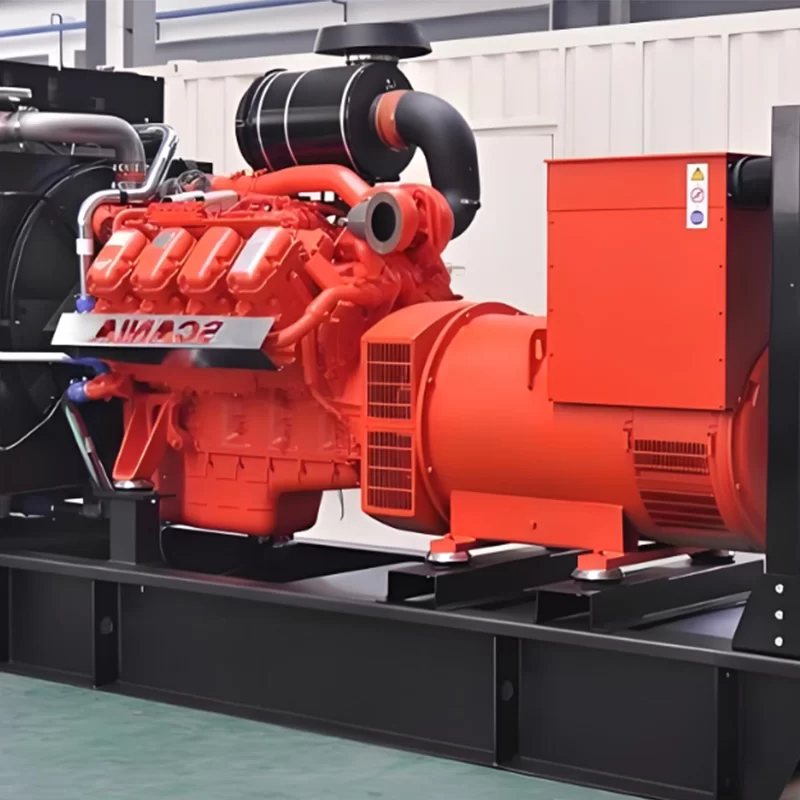
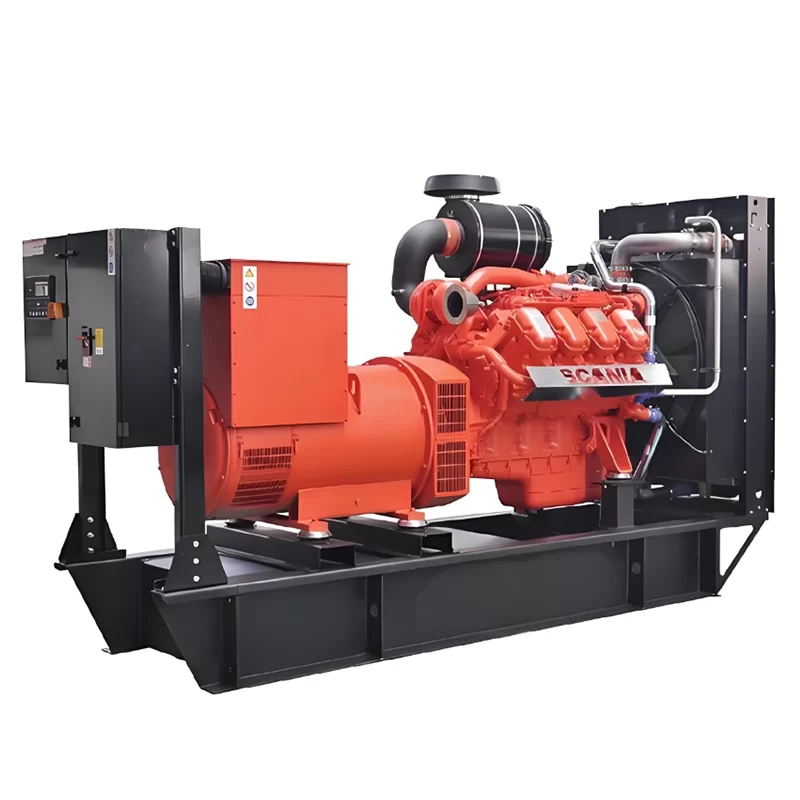
This requires a fundamental shift in material science, utilizing reinforced cylinder blocks and hardened crankshafts to prevent mechanical fatigue. When integrated into a baudouin generator or Scania-powered system, the focus is on reducing wear during high-load peaks, ensuring the unit does not experience premature degradation.
Engineering Logic for Maximum Durability
Durability in the power generation sector is achieved through modular design and component commonality. By standardizing critical parts, manufacturers can ensure that maintenance routines are simplified and spare parts are readily available, which drastically reduces the Mean Time To Repair (MTTR) for global operations.
Precision-engineered turbocharging systems are essential for maximizing air intake and combustion efficiency. These systems allow the engine to produce higher torque at lower RPMs, reducing the overall stress on the mechanical drivetrain while maintaining the necessary energy output for heavy industrial machinery.
Furthermore, the use of high-pressure fuel injection and optimized air management ensures that the combustion process is complete and efficient. This engineering approach not only extends the service intervals between major overhauls but also protects the engine from the carbon buildup that typically plagues lower-tier generators.
Optimizing Fuel Economy and Emission Standards
For large-scale enterprise projects, fuel consumption is the primary driver of operational expenditure (OPEX). The transition toward advanced combustion technology has enabled generators to maintain high energy output while significantly lowering the liters-per-kWh ratio across dynamic load ranges.
True operational efficiency is found in the balance between raw power density and environmental compliance, where systems meeting EU Stage V or EPA Tier 4 Final standards utilize SCR and DPF technologies to eliminate pollutants without sacrificing heavy-duty performance.
The integration of Selective Catalytic Reduction (SCR) and Diesel Particulate Filters (DPF) allows commercial users to operate in strictly regulated urban zones or sensitive ecological areas. This commitment to eco-efficiency ensures that the power asset remains viable throughout its entire lifecycle, avoiding the risk of regulatory obsolescence.
Assessing the 500 kVA Capacity Standard
The 500 kVA rating has emerged as a "sweet spot" for medium-to-large commercial projects. This capacity provides enough overhead to support critical infrastructure—such as data centers or regional hospitals—while remaining compact enough to fit within standard industrial plant rooms without requiring massive architectural modifications.
When comparing the performance of various configurations, procurement teams often look at the stability of the voltage and frequency output during sudden load acceptance. A high-quality 500 kVA unit should handle massive transient changes without damaging sensitive electronic equipment.
Figure 2. Relative Performance Index of Industrial Generator Configurations
Strategic Application Scenarios
In enterprise data centers, the primary requirement is infallible backup power. The use of an open-frame diesel generator allows for superior natural ventilation and easier access for rapid maintenance, ensuring that the transition from grid to generator happens in seconds, safeguarding digital assets from corruption.
Conversely, in remote mining or agricultural operations, the generator often serves as the prime power source. In these settings, the ability of the unit to operate continuously (24/7) under heavy load, coupled with extended service intervals, is the deciding factor for operational viability and profitability.
Transitioning to Intelligent Power Management
Modern industrial power is no longer just about mechanical output; it is about data integration. Advanced Electronic Engine Management Systems (EMS) now allow for remote monitoring and predictive maintenance, alerting operators to potential failures before they cause downtime.
These intelligent platforms support complex grid operations such as load sharing and peak shaving. By integrating multiple units into a parallel system, a facility can dynamically adjust its power output based on real-time demand, further optimizing fuel consumption.
For project contractors, this means fleet management is now centralized. Real-time diagnostics and operational analytics provided by the control systems ensure that every unit in a remote deployment is performing at its peak, reducing the need for frequent on-site engineering visits.
Selection Framework for B2B Procurement
When evaluating a baudouin generator against other top-tier options like Cummins or Perkins, the decision should be based on the specific duty cycle of the project. While some brands excel in standby power, others are specifically engineered for the high-torque demands of prime industrial use.
The total cost of ownership (TCO) must include not only the initial purchase price but also the projected fuel costs, the frequency of filter and oil changes, and the availability of genuine spare parts through a global distribution network.
Ultimately, the ideal choice balances raw output capacity with the logistical reality of the installation site, whether it be a dense urban commercial center or a remote offshore platform.
| Evaluation Factor | Prime Power Focus | Standby Power Focus | Hybrid/Adaptive Focus |
|---|---|---|---|
| Load Acceptance | Rapid/Heavy | Moderate | Adaptive |
| Fuel Efficiency | Highly Optimized | Standard | Dynamic |
| Maintenance Cycle | Extended/Robust | Standard | Predictive |
| Typical Application | Mining/Manufacturing | Office/Healthcare | Data Centers |
| Structural Design | Reinforced Heavy-Duty | Standard Frame | Modular/Compact |
| TCO Profile | Lower Long-term OPEX | Lower Initial CAPEX | Balanced Lifecycle |
Questions & Answers
An open-type generator is a heavy-duty power system mounted on a steel skid without a sound-attenuating canopy. These are specifically designed for installation in dedicated plant rooms. The primary advantages include significantly lower upfront costs, unrestricted physical access for maintenance, and superior natural cooling, which is critical for units running at high capacity for extended periods.
In continuous-duty operations, even a 2-3% difference in fuel efficiency per kWh can result in tens of thousands of dollars in savings annually. High-efficiency engines utilize advanced electronic fuel injection and optimized combustion to maximize energy output while minimizing waste, directly increasing the annual profitability of manufacturing and mining facilities.
The choice typically depends on the load profile. Scania-powered units are often selected for their high torque output and rugged durability in prime power applications. Buyers should compare fuel economy metrics, the availability of local certified engineers, and the structural reinforced nature of the engine block to ensure it matches the environmental severity of the site.
Yes, industrial procurement usually involves OEM/ODM customization. This includes adjusting the base fuel tank capacity for remote sites, integrating specialized Automatic Transfer Switches (ATS), selecting specific alternator brands like Stamford or Leroy-Somer, and configuring control panels (such as Deep Sea or ComAp) to meet the site's automation needs.
Standard professional maintenance includes daily checks of oil and coolant levels, oil and filter changes every 250–500 operating hours, and comprehensive air intake and cooling system inspections every 1,000 hours. An annual load-bank test is essential to verify the system's ability to handle peak loads and ensure the electrical windings are healthy.
Yes, leading manufacturers ensure compliance with EU Stage V and EPA Tier 4 Final standards. This is achieved through the integration of Selective Catalytic Reduction (SCR) and Diesel Particulate Filters (DPF). These systems treat exhaust gases to remove NOx and particulate matter, allowing heavy-duty power generation to exist within sustainable environmental frameworks.
Final Thoughts
The procurement of industrial power systems is a strategic decision that affects the operational resilience of an entire enterprise. By prioritizing engine durability, fuel efficiency, and intelligent integration over the lowest initial price, businesses can secure a power asset that provides a genuine return on investment through reduced downtime and lower lifecycle costs.
Whether deploying a 500 kVA unit for a medical center or a large-scale fleet for a construction mega-project, the focus must remain on verified performance and global support networks. In an era of increasing energy volatility, investing in robust, future-ready power generation is the only way to ensure absolute operational continuity.